
The Personal and Ethical Foundations competency area involves the knowledge, skills, and dispositions to develop and maintain integrity in one’s life and work; this includes thoughtful development, critique, and adherence to a holistic and comprehensive standard of ethics and commitment to one’s own wellness and growth.
As I continue to shed the insecurity of my 20’s, I have learned to take my personal wellness and self-assessment more seriously in my 30’s. My first graduate program at the Boston University School of Theology (BU STH) taught me to move beyond foundational abilities in self-assessment and self-reflection. The coursework I completed there allowed me to reflect upon my belief system and to better understand others’ beliefs. I believe my ability to reflect upon my experiences and learn from them has improved since graduating from BU STH.
While I was in my 20’s, I spent a lot more time focused on other’s needs and expectations for myself than my own. During that time, I ran myself ragged volunteering for everything. Partly it was that I felt my work was not very meaningful, and I sought to make up for that by doing meaningful volunteer work. But I did not know the limits of my time and energy. Although I did a lot of great things, I was not always fully present with my spouse or to myself. If I am quite honest with myself, I did not believe that I was worthy of being taken care of; I did not care for myself because I did not believe I deserved it. When I experienced a mental health setback, I finally spent some time disentangling myself from my many commitments. The low energy I experienced connected with my mental health status forced me to simply stop doing things. As I emerged from the morass, managing my health more effectively became a key to my healing. Even though I have not stopped participating in activism and volunteering, I no longer sacrifice exercise, sleep, or healthy home-cooked meals to do so. As a result, I am now more selective about the causes and initiatives which are most important to me, and I only give my energy to them. Now I have time to take near-daily walks with my spouse, sleep in on weekends, and plan healthy meals. Moreover, I can be a better friend and daughter by finding time for long coffee dates and sending cards to show I care. While I still find joy in volunteering, I find joy in caring for myself and my relationships. I am no longer willing to compromise my health to say “yes,” which leads me to believe I have reached an Intermediate level of wellness.
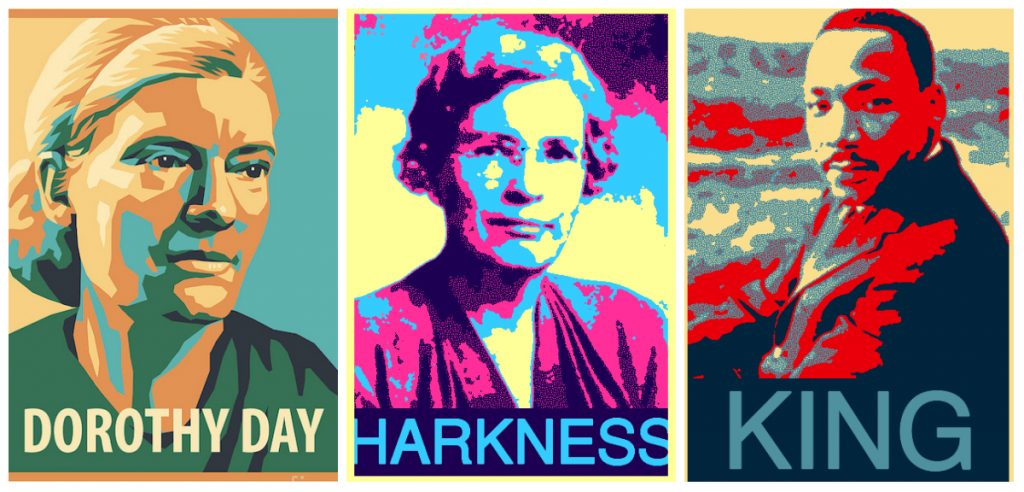
My ethical codes have been strongly influenced by both the ethical foundation I received at BU STH and by deeply engaging the NACADA Core Values. One may infer, however, that since I have adopted the NACADA Core Values, I am a virtue ethicist. This is largely true, although I acknowledge that my academic training in Western Enlightenment thought results in a deontological turn from time to time. My ethical guiding light is respect— and, I hope, a sort of love— for my fellow human beings, a philosophical perspective known as Personalism. Christian personalists such as Dorothy Day, Georgia Harkness, and Rev. Dr. Martin Luther King, Jr. have strongly influenced my ethical thought. As a result, I do my best to evaluate each choice I make by whether or not it honors the human being sitting in front of me at any given moment. As I learn how legal concepts affect practice in Higher Education, I have begun to understand how Higher Education regulations constrain our choices. I am still figuring out what this means for me as an ethicist. When it comes down to a tough choice, however, I know I will default to prioritizing the student’s needs and honoring who they are to the furthest extent possible. The tasks of identifying my influences and integrating them with the professional standards by which I must practice is a primary focus for Intermediate mastery of Personal and Ethical Foundations. Therefore, I believe that I have reached an Intermediate level of mastery in this area.
As I learn how legal concepts affect practice in Higher Education, I have begun to understand how Higher Education regulations constrain our choices. I am still figuring out what this means for me as an ethicist. When it comes down to a tough choice, however, I know I will default to prioritizing the student’s needs and honoring who they are to the furthest extent possible. The tasks of identifying my influences and integrating them with the professional standards by which I must practice is a primary focus for Intermediate mastery of Personal and Ethical Foundations. Therefore, I believe that I have reached an Intermediate level of mastery in this area.
In order to reach advanced mastery, I will need to become a full-time member of a student affairs team. Developing workplace culture, dialoguing with others regarding professional standards, encouraging others to seek wellness, and taking positive action in response to my personal reflections, are all things that require a team of colleagues with whom to interact and students to serve. In in the meantime, I will continue to seek personal wellness through attending Zumba classes with my friends and participating in chorus, both of which increase physical and emotional wellness for me.